Blog
Which Brain Health Habits Have Evidence? CDC Steps Beside Neuro Recall
The CDC lists steps that may lower dementia risk: 150 minutes of activity a week, managing blood pressure and blood sugar, treating hearing loss, not smoking, and drinking alcohol only in moderation (CDC - Reducing risk for dementia). Steady sleep supports attention and mood. Supplements, including Neuro Recall, sit well behind these habits, because large trials of ginkgo and B vitamins found no memory benefit.
Written by the Neuro Recall label deskUpdated · 8 min read
The short version
Which brain health habits have the strongest evidence?
The habits with the best support are ordinary ones. Move most days, keep blood pressure and blood sugar in range, treat hearing loss, skip tobacco and go easy on alcohol.
That list comes from the Centers for Disease Control and Prevention. The CDC describes these as steps that may lower dementia risk (CDC - Reducing risk for dementia). The word "may" is honest. No habit comes with a promise for any one person. Across large groups, though, these factors keep showing up.
None of these steps needs a prescription or a special product. Most are things your regular doctor already tracks. The hard part is doing them week after week.
Supplements come later in the story. We sell Neuro Recall, so we have a reason to talk it up. The research does not let us, and we explain why further down.
The CDC list
What does the CDC say may lower dementia risk?
The CDC names six steps. Each one connects to blood vessels, blood sugar or the senses, which all affect how the brain works over time (CDC - Reducing risk for dementia).
| Step | What the CDC suggests | A small first move |
|---|---|---|
| Physical activity | 150 minutes a week | A 20-minute walk most days gets you close |
| Blood pressure | Manage it | Ask for your numbers at your next visit, or use a home cuff |
| Blood sugar | Manage it | Ask whether an A1C test makes sense for you |
| Hearing | Treat hearing loss | Book a hearing test if people seem to mumble |
| Smoking | Do not smoke | Ask your doctor about quit aids, or call a quit line |
| Alcohol | Drink only in moderation | Pick alcohol-free days each week |
You do not need all six at once. Pick the one that feels easiest and build from there.
Activity
How much exercise helps the brain?
The CDC target is 150 minutes of physical activity a week (CDC - Reducing risk for dementia). That is about 30 minutes, five days a week, and brisk walking counts.
You can split it into short bouts. Ten minutes after each meal adds up. A walk after dinner may also help your body handle the sugar from that meal.
If you have heart disease, joint pain or balance problems, ask your doctor what kind of activity suits you. Chair exercises, swimming and stationary cycling all count.
Blood pressure and sugar
Why do blood pressure and blood sugar matter for the brain?
The brain depends on small blood vessels. High blood pressure and high blood sugar can damage those vessels over years, which is why both appear on the CDC list (CDC - Reducing risk for dementia).
High blood sugar also harms nerves. About one-third to one-half of people with diabetes develop peripheral neuropathy (NIDDK - Diabetic neuropathy). Keeping sugar in range protects both brain and nerves.
Some diabetes medicines bring their own issue. Metformin can lower vitamin B12 over time (NIH ODS - Vitamin B12), and low B12 can cause memory problems along with numbness. A blood test can check it. You can read more in our post on B12 and memory.
Hearing, smoking, alcohol
Do hearing, smoking and alcohol really affect memory?
Yes, they are on the same CDC list (CDC - Reducing risk for dementia). Untreated hearing loss makes the brain work harder to follow speech, and it can pull people away from conversation.
- Hearing. A hearing test is simple and often covered. Hearing aids are now easier to get than they once were.
- Smoking. Stopping at any age helps blood vessels. Your doctor can suggest proven quit aids.
- Alcohol. Heavy drinking is a known cause of memory loss (MedlinePlus - Memory loss). Less is better for the brain.
Medicines matter too. Some sleep aids, allergy pills and pain drugs can dull memory in older adults (MedlinePlus - Memory loss). Bring your full list to a pharmacist once a year.
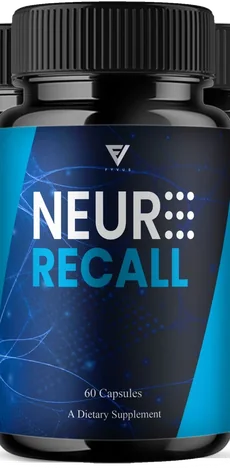
Neuro Recall: 5 bottles for $59.952 capsules a day · about $11.99 a bottle · free standard shipping · seller does not accept returns
View listingOne day
What does a brain-friendly day look like?
A good day mixes movement, steady meals, checks on your numbers and a regular bedtime. The dial below lays out one example.
- After breakfast, about 8:00
Take the 2 capsules with food. The label sets no time; the eBay listing says after a meal.
- Late-afternoon walk
Regular activity is on the CDC's list of steps that may lower dementia risk.
- Blood pressure and blood sugar
Keeping both in range is on the same CDC list. Ask how yours look at your next visit.
- Night, a regular bedtime
A steady sleep routine supports attention and mood more reliably than any capsule.
Brain-health habits from the CDC (CDC - Reducing risk for dementia). Timing of the capsules comes from the eBay listing, not the label.
Sleep is not on the CDC dementia list, but it shapes how sharp you feel the next day. Keep the same bedtime and wake time, even on weekends. Loud snoring with daytime sleepiness is worth raising with your doctor, since sleep apnea is treatable.
If you take a supplement, after breakfast is an easy time to remember it. Our how-to-use guide covers the label directions for Neuro Recall.
Supplements
Where do supplements stand next to these habits?
Behind them, by a wide margin. The best-known brain supplement trials were large and long, and they did not show a memory benefit.
- Ginkgo. The GEM trial gave 3,069 adults aged 75 and older ginkgo or placebo for a median of 6.1 years. Dementia rates did not differ (GEM trial (DeKosky 2008)). Read our GEM trial explainer.
- B vitamins. Sixteen trials with 6,276 people found that B12 alone or in a B complex did not improve any area of thinking (Markun 2021 - B12 & cognition meta-analysis).
- Lutein and zeaxanthin. In AREDS2, about 4,000 older adults saw similar cognitive decline whether they took these or placebo (NEI/NIH - AREDS2 cognition result).
NCCIH adds a key point. Do not let a supplement delay a visit to your doctor about memory (NCCIH - 7 things: supplements & cognition).
Our product
Where does Neuro Recall fit in a brain health plan?
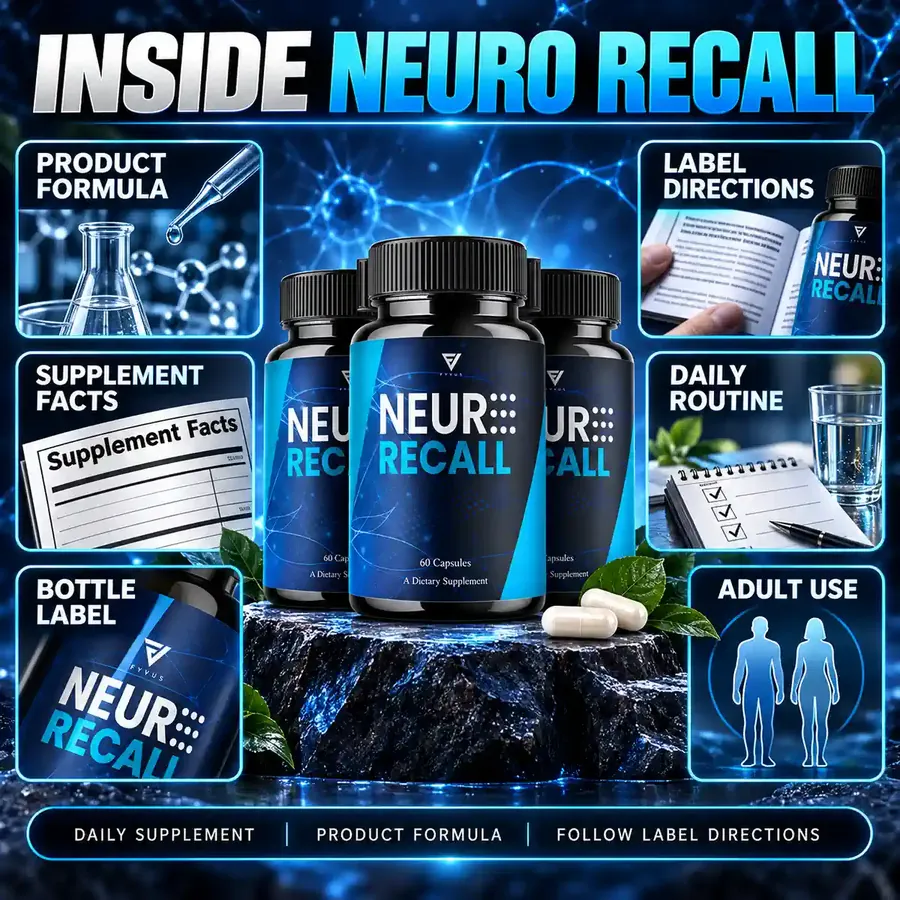
At most, as a small add-on to the habits above. Neuro Recall's label makes no memory claim. Its brand panels claim general wellness, such as energy and focus.
Its formula leans toward blood-sugar ingredients like cinnamon, chromium and berberine, plus B vitamins and a few herbs. The herbs sit inside a 635 mg blend, so each one is likely below the doses used in studies. Berberine and ginkgo also interact with several medicines (MSK - Berberine)(NCCIH - Ginkgo).
Memory loss that disrupts daily life, or numbness and tingling, deserves a medical check. Some causes, such as low B12 or thyroid problems, can be found with a blood test and treated (MedlinePlus - Memory loss).
Bottom line
What is one habit to start this week?
Walk for 20 minutes after one meal a day. Then book a check of your blood pressure, blood sugar and hearing. Those steps carry more evidence than any capsule we sell.
FAQ
Brain health habit questions
What are the best habits for brain health?
The CDC lists six steps that may lower dementia risk: 150 minutes of physical activity a week, managing blood pressure, managing blood sugar, treating hearing loss, not smoking, and drinking alcohol only in moderation. A regular sleep schedule also supports attention and mood from day to day.
Can walking help prevent memory loss?
Regular activity is one of the CDC's steps that may lower dementia risk, with a target of 150 minutes a week. Brisk walking counts. No habit can guarantee protection for one person, but activity also helps blood pressure and blood sugar, which matter for the brain.
Does hearing loss affect memory?
Treating hearing loss is on the CDC's list of steps that may lower dementia risk. Straining to hear takes mental effort and can pull people out of conversation. A hearing test is a simple first step if voices often sound muffled.
Do brain supplements work as well as lifestyle changes?
No. Large trials of ginkgo and B vitamins found no memory or dementia benefit, while the CDC's habit list rests on broad research. A supplement should never replace blood pressure care, blood sugar care or a doctor's visit about memory changes.
Can Neuro Recall replace exercise or a healthy diet?
No. Neuro Recall is a dietary supplement with general wellness claims on its brand panels and no memory claim on its label. It is not a substitute for activity, good food, sleep or medical care. If you use it, treat it as a small extra.
Is poor sleep bad for memory?
Poor sleep can leave you less focused and more forgetful the next day. Sleep is not on the CDC's dementia list, but a steady bedtime helps. Loud snoring with daytime sleepiness can point to sleep apnea, which a doctor can test for and treat.
At what point should memory problems go to a doctor?
See a doctor if memory loss disrupts daily life, if you get lost in familiar places, or if family members notice changes. Some causes, like low B12, thyroid problems or medicine side effects, can be found and treated.
Where does Neuro Recall fit in a brain health routine?
It sits after the basics. Activity, blood pressure and blood sugar checks, hearing care and steady sleep come first. Neuro Recall is a capsule supplement taken 2 a day, and large trials of ginkgo and B vitamins found no memory benefit.
How much exercise does the CDC suggest before taking Neuro Recall?
The CDC lists 150 minutes of activity a week among its steps for brain health. It pairs that with managing blood pressure and blood sugar, hearing care, not smoking and drinking alcohol only in moderation.
Who wrote this
Written and reviewed by
Pages built from the bottle label, the sales listing and linked NIH, FDA, FTC and peer-reviewed sources.
Last updated . See our editorial standards and how we check reviews. This website is run by a U.S. stocking partner, not by the manufacturer. This site is paid a commission when you order through its links.
Keep reading
More about Neuro Recall

U.S. stocking partner for Neuro Recall
Ready to look at Neuro Recall?
Check the label, your medicines and the return terms first. The listing sells 5-bottle packs; buying more lowers the price per pack.
- Checkout on eBay
- Free standard shipping
- Read the return terms first