Guide
Memory Changes With Age: What Is Normal and What Needs a Check
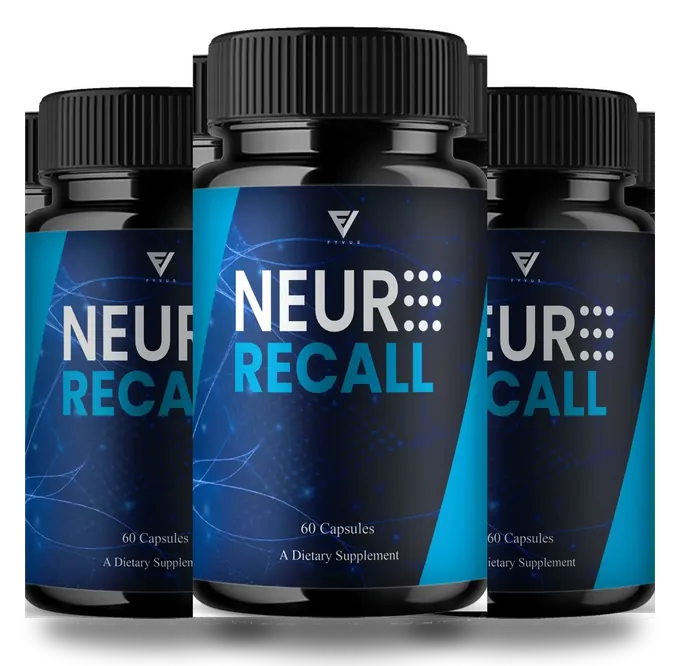
Forgetting a name and recalling it later is a typical part of aging. Memory loss that disrupts daily life, trouble planning, or confusion about time or place are warning signs worth a doctor's visit (Alzheimer's Association - 10 warning signs). Some causes, such as low B12, thyroid problems and medicine side effects, can be treated (MedlinePlus - Memory loss). A supplement like Neuro Recall is not a substitute for that check.
Written by the Neuro Recall label deskUpdated
Start here
Is some forgetting normal as we get older?
Yes. Slower recall is a common part of aging, and it does not by itself mean disease. The Alzheimer's Association gives a simple example: briefly forgetting a name and remembering it later is a typical age-related change (Alzheimer's Association - 10 warning signs).
What matters is whether the change gets in the way of daily life. Walking into a room and forgetting why happens to almost everyone. Getting lost on a route you have driven for years is different.
Many people who worry about their memory turn out to be fine. Others find a cause that can be treated. Either way, knowing beats wondering.
Side by side
How do normal aging, MCI and dementia differ?
The line between them is daily function: can you still manage your own life?
Mild cognitive impairment (MCI) means memory or thinking changes beyond normal aging that do not meet the criteria for dementia (StatPearls - Mild cognitive impairment). Dementia means the changes are serious enough to affect everyday independence.
| Area | Normal aging | MCI | Dementia |
|---|---|---|---|
| Recall | Slower, but names come back later | Forgets recent events more than peers do | Forgets recent events and does not recall them later |
| Daily tasks | Fully independent | Mostly independent; complex tasks take more effort | Needs help with bills, cooking or driving |
| Who notices | Usually only you | You and often family | Family and friends, sometimes not the person |
| How common | Very common | About 6.7% at ages 60-64, 25.2% at 80-84 (StatPearls - Mild cognitive impairment) | Rises with age |
| What next | Healthy habits | Check for treatable causes; recheck over time | Medical diagnosis and care plan |
MCI does not always get worse. In the general population, roughly 12% of people with MCI move on to dementia each year (StatPearls - Mild cognitive impairment), so many do not, and some improve once a cause is treated.
Warning signs
What are the 10 warning signs of Alzheimer's?
The Alzheimer's Association lists 10 early signs, each paired with a typical age-related change (Alzheimer's Association - 10 warning signs). One sign alone is not a diagnosis, but a pattern is a reason to book a visit.
Memory loss that disrupts daily life
Asking the same question again and again, or relying on notes for things you once handled easily.
Trouble planning or solving problems
Following a recipe or keeping track of monthly bills becomes hard.
Difficulty with familiar tasks
Getting lost on a usual drive or forgetting the rules of a favorite game.
Confusion with time or place
Losing track of dates or seasons, or not knowing how you got somewhere.
Trouble with images and space
New problems judging distance, reading or telling colors apart.
New problems with words
Stopping mid-conversation, or calling a familiar object by the wrong name.
Misplacing things
Putting items in odd places and being unable to retrace your steps.
Poor judgment
Unusual decisions with money, or less attention to grooming.
Pulling away from activities
Avoiding hobbies, clubs or work projects that used to be enjoyable.
Changes in mood or personality
Becoming confused, suspicious, anxious or easily upset outside your comfort zone.
The Alzheimer's Association runs a free 24/7 Helpline at 800.272.3900 for questions about these signs.
Treatable causes
Which causes of memory problems can be treated?
Several common causes can be found with a visit and a blood test. MedlinePlus lists alcohol, some medicines and low levels of vitamins such as B1 and B12 among them (MedlinePlus - Memory loss).
- Low vitamin B12. More common with age, with metformin and with long-term acid reducers. It can cause memory problems along with numbness and tingling (NIH ODS - Vitamin B12). See our vitamin B12 page.
- Thyroid disease. An underactive thyroid can slow thinking. A blood test checks it (MedlinePlus - Memory loss).
- Medicine side effects. Sleep aids, some allergy pills and other drugs can cloud thinking, especially in combination.
- Depression and poor sleep. Both can mimic memory loss; sleep apnea is a known contributor (StatPearls - Mild cognitive impairment).
- Alcohol. Heavy drinking affects memory directly and lowers B vitamin levels.
Treatment depends on the cause (MedlinePlus - Memory loss). That is why a test comes first. Taking a vitamin before the blood draw can even blur the result, so tell your doctor about every supplement you take.
Your visit
What should I bring to a doctor's appointment about memory?
Bring notes, your full medicine list and, if you can, someone who knows you well. A short visit goes much further with good information.
Write down the changes
What happened, when it started and whether it is getting worse. Specific examples help more than a general worry.
Bag up every bottle
Prescriptions, over-the-counter pills and supplements, including Neuro Recall if you take it. Doses matter.
Note other symptoms
Sleep, mood, hearing, numbness in the feet, falls or changes in weight.
Bring a companion
A family member can describe changes you may not notice and help remember the plan.
Ask about tests
Ask whether B12, thyroid and other blood tests make sense for you.
Memory loss that disrupts daily life, new confusion, or numbness and tingling deserves a medical check. Sudden confusion, trouble speaking or weakness on one side is an emergency: call 911.

Neuro Recall: 5 bottles for $59.952 capsules a day · about $11.99 a bottle · free standard shipping · seller does not accept returns
View listingWhere supplements fit
Can a supplement help with memory changes?
The evidence is thin. NCCIH says there is no conclusive evidence that ginkgo can prevent or slow dementia, and it warns against using supplements as a reason to put off seeing a provider (NCCIH - 7 things: supplements & cognition).
In the GEM trial, 3,069 adults aged 75 and older took ginkgo or placebo for a median of 6.1 years, with no drop in dementia (GEM trial (DeKosky 2008)). A review of 16 trials with 6,276 people found that B12 alone or with other B vitamins did not improve thinking in people without a deficiency (Markun 2021 - B12 & cognition meta-analysis).
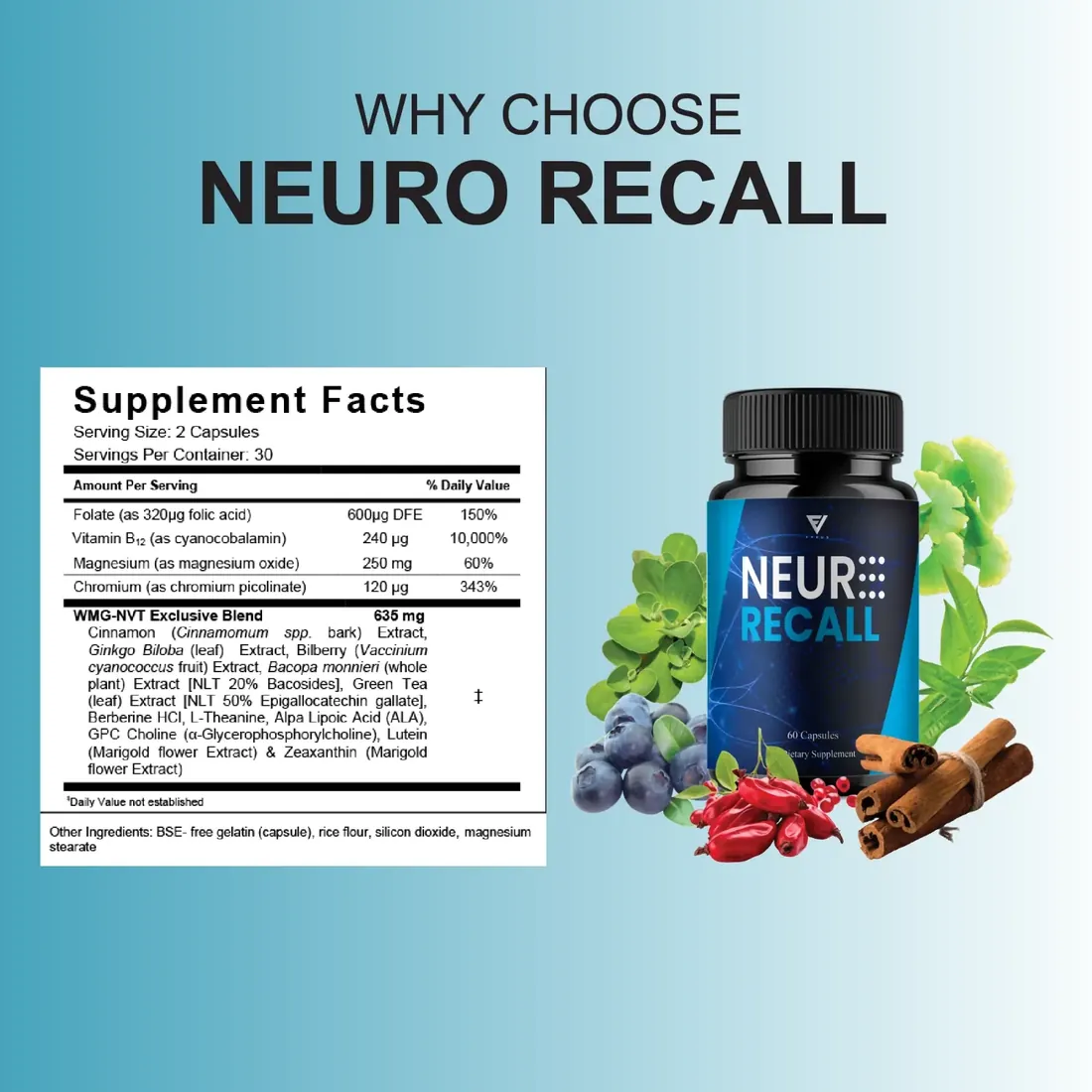
Neuro Recall's label makes no memory claim. Its B12 and folate can correct a low level, but a blood test tells you whether you are low. Its herbal amounts are hidden in a 635 mg blend and likely sit below research doses. Our guide to choosing a memory supplement walks through what to look for.
If you take blood thinners, diabetes medicine or thyroid pills, ask your pharmacist before adding any supplement.
What the evidence supports
What daily habits may lower dementia risk?
The CDC lists steps that may lower risk: 150 minutes of activity a week, managing blood pressure and blood sugar, treating hearing loss, not smoking and keeping alcohol moderate (CDC - Reducing risk for dementia). None is a guarantee, but each brings wider health benefits too.
- After breakfast, about 8:00
Take the 2 capsules with food. The label sets no time; the eBay listing says after a meal.
- Late-afternoon walk
Regular activity is on the CDC's list of steps that may lower dementia risk.
- Blood pressure and blood sugar
Keeping both in range is on the same CDC list. Ask how yours look at your next visit.
- Night, a regular bedtime
A steady sleep routine supports attention and mood more reliably than any capsule.
Brain-health habits from the CDC (CDC - Reducing risk for dementia). Timing of the capsules comes from the eBay listing, not the label.
More on the research behind these steps is in our post on brain health habits with evidence.
In short
What is the takeaway?
Slow recall is common. Disruptive change deserves a visit, and some causes can be fixed. Supplements come after a checkup, not instead of one.

FAQ
Memory changes and warning signs: common questions
When should I worry about forgetting things?
Worry less about slow recall and more about change that affects daily life. Repeating questions, getting lost on familiar routes, trouble with bills or new confusion about time are reasons to see a doctor. Forgetting a name and remembering it later is usually a normal part of aging.
What is the difference between MCI and dementia?
Mild cognitive impairment means memory or thinking changes beyond normal aging while a person still manages daily life. Dementia means the changes are serious enough to affect independence. MCI does not always progress; some people stay stable, and some improve after a treatable cause is found.
Can low vitamin B12 cause memory loss?
Yes. Low B12 can cause memory problems along with numbness and tingling, and it is more common with age, metformin and long-term acid reducers. A blood test shows whether you are low. Treating a true deficiency is different from taking B12 when levels are already normal.
Does Neuro Recall help with memory loss?
Neuro Recall has not been shown to help memory loss, and its label makes no memory claim. Large trials of ginkgo and B12, two of its ingredients, found no memory benefit in older adults without a deficiency. See a doctor about memory changes before trying any supplement.
What tests does a doctor do for memory problems?
A doctor usually starts with a history, a short memory and thinking test, and a review of medicines. Blood tests often check B12 and thyroid levels. Depending on the findings, the doctor may suggest a brain scan or a referral to a neurologist or memory clinic.
Can medicines cause memory problems?
Yes. Some sleep aids, allergy pills, pain medicines and other drugs can affect memory and attention, especially when several are taken together. Never stop a prescription on your own. Bring every bottle to your appointment so the doctor or pharmacist can review the full list.
Who wrote this
Written and reviewed by
Pages built from the bottle label, the sales listing and linked NIH, FDA, FTC and peer-reviewed sources.
Last updated . See our editorial standards and how we check reviews. This website is run by a U.S. stocking partner, not by the manufacturer. This site is paid a commission when you order through its links.
Keep reading
More about Neuro Recall


U.S. stocking partner for Neuro Recall
Ready to look at Neuro Recall?
Check the label, your medicines and the return terms first. The listing sells 5-bottle packs; buying more lowers the price per pack.
- Checkout on eBay
- Free standard shipping
- Read the return terms first