Blog
Does Ginkgo in NeuroRecall Help Memory? The GEM Trial in Plain Words
The GEM trial gave 3,069 adults aged 75 and older either ginkgo, 120 mg twice a day, or a placebo for a median of 6.1 years. Ginkgo did not lower the rate of dementia or Alzheimer's disease (GEM trial (DeKosky 2008)). It remains the largest test of ginkgo for memory, and it is the main reason experts do not recommend it for prevention.
Written by the Neuro Recall label deskUpdated · 8 min read
The study
What was the GEM trial?
GEM stands for Ginkgo Evaluation of Memory. It was a large, placebo-controlled trial run in the United States to see whether ginkgo could lower the rate of dementia in older adults (GEM trial (DeKosky 2008)).
Ginkgo leaf extract has been sold for memory for decades. Before GEM, most studies were small or short. GEM was built to give a clear answer by following thousands of people for years.
Researchers randomly assigned each person to ginkgo or a look-alike placebo. Neither the volunteers nor the staff knew who got which. That design cuts out wishful thinking on both sides.
The details
Who took part, and what dose did they take?
The trial enrolled 3,069 adults over 75. Most had normal thinking at the start, and some had mild cognitive impairment (GEM trial (DeKosky 2008)).
| People | 3,069 adults aged 75 and older |
|---|---|
| Starting point | Normal thinking or mild cognitive impairment |
| Ginkgo dose | 120 mg twice a day (240 mg a day) |
| Comparison | Placebo capsules |
| Length | Median of 6.1 years |
| Main question | Did fewer people develop dementia? |
| Answer | No. Ginkgo did not reduce dementia or Alzheimer's disease |
The dose matters. At 240 mg a day, GEM used a standard, well-studied amount of extract. So the result cannot be blamed on a weak dose.
The result
What did the GEM trial find?
Dementia rates were about the same in the ginkgo and placebo groups. Ginkgo did not reduce new cases of dementia or of Alzheimer's disease (GEM trial (DeKosky 2008)).
NIH's complementary health center sums it up in plain terms. Ginkgo has not been shown to prevent or slow dementia (NCCIH - Ginkgo). Its 2026 guidance adds that there is no conclusive evidence ginkgo helps with cognitive decline (NCCIH - 7 things: supplements & cognition).
A large, long trial that finds no effect saves people money and false hope. It also tells doctors where not to spend their patients' time.
Context
Does any other research support ginkgo?
Some smaller studies point a different way, but they test a different group. A 2015 analysis found a ginkgo extract at 240 mg a day stabilized or slowed decline over 22 to 26 weeks in people who already had dementia (NCCIH Clinical Digest - supplements & cognition).
NCCIH calls the overall evidence inconsistent (NCCIH Clinical Digest - supplements & cognition). Short studies in people with dementia do not tell us what happens over years in healthy older adults. GEM answered that second question, and the answer was no.
- Prevention in older adults: tested in GEM, no benefit
- Treatment in diagnosed dementia: mixed, short studies
- Memory in healthy younger adults: not shown in our sources
Safety
Is ginkgo safe to take?
Ginkgo is usually tolerated, but it can raise bleeding risk in people on blood thinners such as warfarin (NCCIH - Ginkgo). Common side effects include dizziness, stomach upset and headache.
Tell your surgeon or dentist about ginkgo before a procedure. Supplements can change how you respond to anesthesia and bleeding before surgery (NIH ODS - What you need to know). If you take aspirin, clopidogrel or a similar drug, ask your pharmacist first.
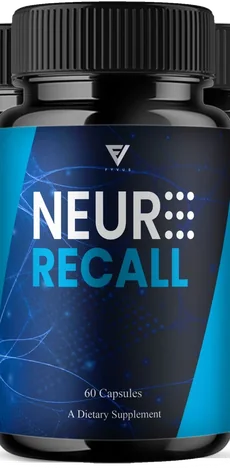
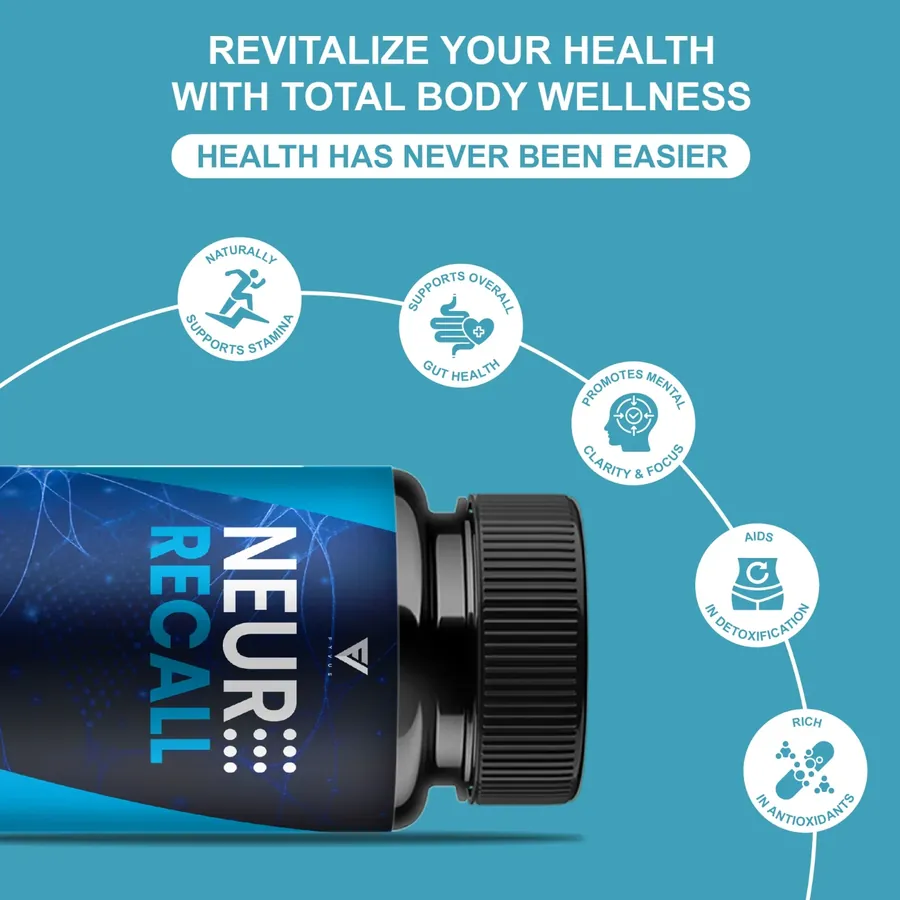
Neuro Recall: 5 bottles for $59.952 capsules a day · about $11.99 a bottle · free standard shipping · seller does not accept returns
View listingOn the label
How much ginkgo is in Neuro Recall?
The label does not say. Ginkgo is the second line in the 635 mg WMG-NVT Exclusive Blend, and no single amount is printed.
Because blend lines are listed by weight (21 CFR 101.36 - proprietary blends), the second line can weigh at most half the blend. That is our arithmetic: 635 divided by 2 is about 318 mg. To reach GEM's 240 mg, ginkgo would need to make up about 38% of the blend. Cinnamon, listed first, would then need at least as much, leaving little room for the other eight lines.
So Neuro Recall probably holds less ginkgo than GEM used. Even at GEM's full dose, ginkgo did not prevent dementia. The label itself makes no memory claim; the word comes from the product name and the eBay title. Our ginkgo ingredient page covers the line in more detail.
Better bets
What can you do for memory instead?
Start with a checkup and daily habits that have public health support. The CDC lists steps that may lower dementia risk: 150 minutes of activity a week, managing blood pressure and blood sugar, treating hearing loss, not smoking, and limiting alcohol (CDC - Reducing risk for dementia).
- After breakfast, about 8:00
Take the 2 capsules with food. The label sets no time; the eBay listing says after a meal.
- Late-afternoon walk
Regular activity is on the CDC's list of steps that may lower dementia risk.
- Blood pressure and blood sugar
Keeping both in range is on the same CDC list. Ask how yours look at your next visit.
- Night, a regular bedtime
A steady sleep routine supports attention and mood more reliably than any capsule.
Brain-health habits from the CDC (CDC - Reducing risk for dementia). Timing of the capsules comes from the eBay listing, not the label.
Memory loss that disrupts daily life, or numbness and tingling, deserves a medical check. Low B12, thyroid problems and medicines can all affect memory, and blood tests can find some of them (MedlinePlus - Memory loss). Our memory supplement checklist helps if you still want to compare products.
Bottom line
What is the takeaway from GEM?
Ginkgo at a full, standard dose did not prevent dementia over six years in more than 3,000 older adults. That is a strong, honest answer from a well-run trial.
If you choose a product with ginkgo, choose it for reasons other than dementia prevention, and clear it with your doctor if you take blood thinners. We are the U.S. stocking partner for Neuro Recall and earn money on orders, which is why we spell out what the research does and does not show.
FAQ
Ginkgo and GEM trial questions
Does ginkgo biloba lower the risk of dementia?
No. In the GEM trial, 3,069 adults aged 75 and older took 240 mg of ginkgo a day or a placebo for a median of 6.1 years, and ginkgo did not reduce dementia or Alzheimer's disease (GEM trial (DeKosky 2008)). NIH says ginkgo has not been shown to prevent or slow dementia (NCCIH - Ginkgo).
What dose of ginkgo was used in the GEM trial?
GEM used 120 mg of ginkgo extract twice a day, or 240 mg a day (GEM trial (DeKosky 2008)). That is a standard research dose, so the negative result cannot be blamed on too little ginkgo. People took it for a median of about six years.
Is ginkgo good for memory in healthy adults?
Our sources do not show it. NCCIH finds no conclusive evidence that ginkgo prevents or slows cognitive decline (NCCIH - 7 things: supplements & cognition). Some short studies in people who already have dementia had mixed results (NCCIH Clinical Digest - supplements & cognition), but they do not show a benefit for healthy memory.
Can I take ginkgo with blood thinners?
Ask your doctor first, because ginkgo may increase bleeding risk with anticoagulants such as warfarin (NCCIH - Ginkgo). The same concern applies before surgery or dental work. Your pharmacist can check ginkgo against aspirin, clopidogrel and other drugs that affect clotting.
Does Neuro Recall contain enough ginkgo to match the GEM trial?
Probably not, and the amount is not printed. Ginkgo is second in a 635 mg blend, so by our arithmetic it is at most about 318 mg. Reaching 240 mg would require ginkgo to fill about 38% of the blend. Even at 240 mg, GEM found no dementia benefit.
What are the side effects of ginkgo?
Common side effects include dizziness, stomach upset and headache (NCCIH - Ginkgo). The bigger concern is bleeding risk when ginkgo is combined with blood thinners. Stop and call your doctor if you notice unusual bruising or bleeding while taking any ginkgo product.
Does Neuro Recall have ginkgo biloba?
Yes. Neuro Recall lists ginkgo leaf extract among the ten lines of its 635 mg blend, with no single amount printed, so you cannot compare it with the 120 mg twice a day used in the GEM trial.
How long was the ginkgo GEM trial behind Neuro Recall's ginkgo line?
The GEM trial ran a median of 6.1 years and followed 3,069 adults aged 75 and older who took ginkgo or a placebo. It remains the largest test of ginkgo for memory.
Who wrote this
Written and reviewed by
Pages built from the bottle label, the sales listing and linked NIH, FDA, FTC and peer-reviewed sources.
Last updated . See our editorial standards and how we check reviews. This website is run by a U.S. stocking partner, not by the manufacturer. This site is paid a commission when you order through its links.
Keep reading
More about Neuro Recall
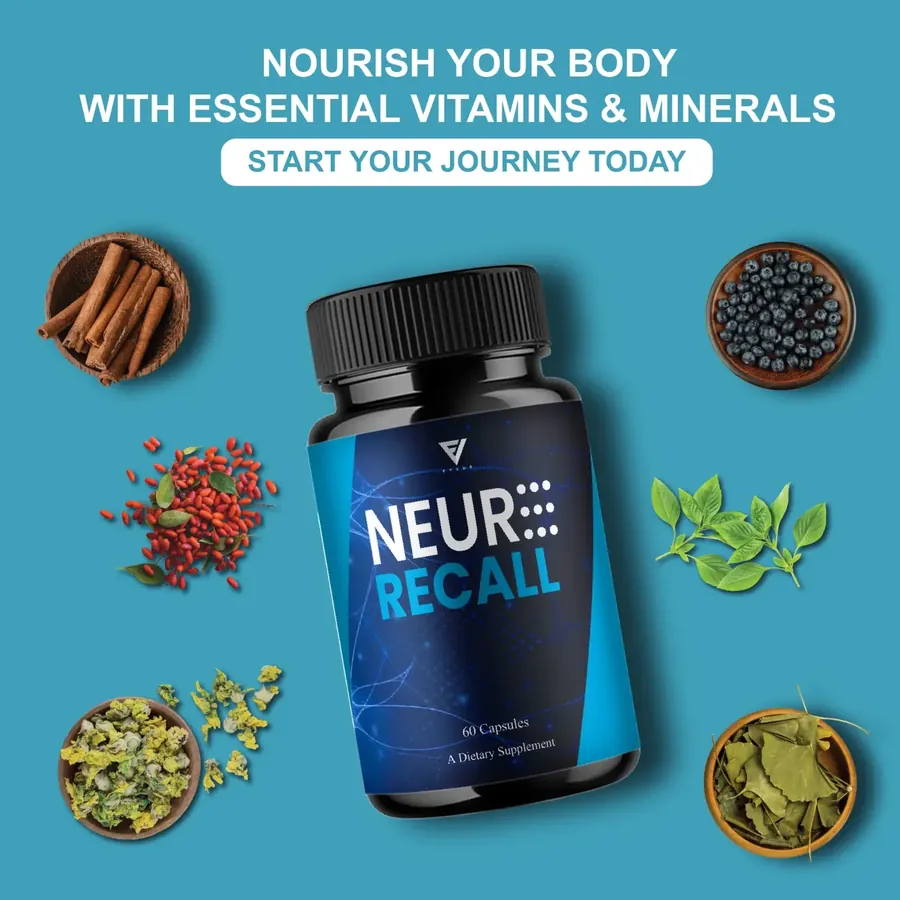
U.S. stocking partner for Neuro Recall
Ready to look at Neuro Recall?
Check the label, your medicines and the return terms first. The listing sells 5-bottle packs; buying more lowers the price per pack.
- Checkout on eBay
- Free standard shipping
- Read the return terms first